What is the Lunar III Series?
The Lunar III Series is the third edition of the Perth Mint's popular Lunar Series, which began in 2020. This series follows the successful Lunar I and Lunar II series and will continue annually with new designs celebrating the Chinese zodiac signs. Each year, a different animal from the Chinese zodiac is featured, starting with the rat in 2020. The series includes both gold and silver coins and is renowned for its high quality and detailed design.
The 2024 Dragon coin is the fifth issue in the Lunar III series and is dedicated to the dragon, one of the most significant and powerful symbols in Chinese culture. The dragon represents strength, good fortune and prosperity and plays a central role in many myths and legends.
Obverse
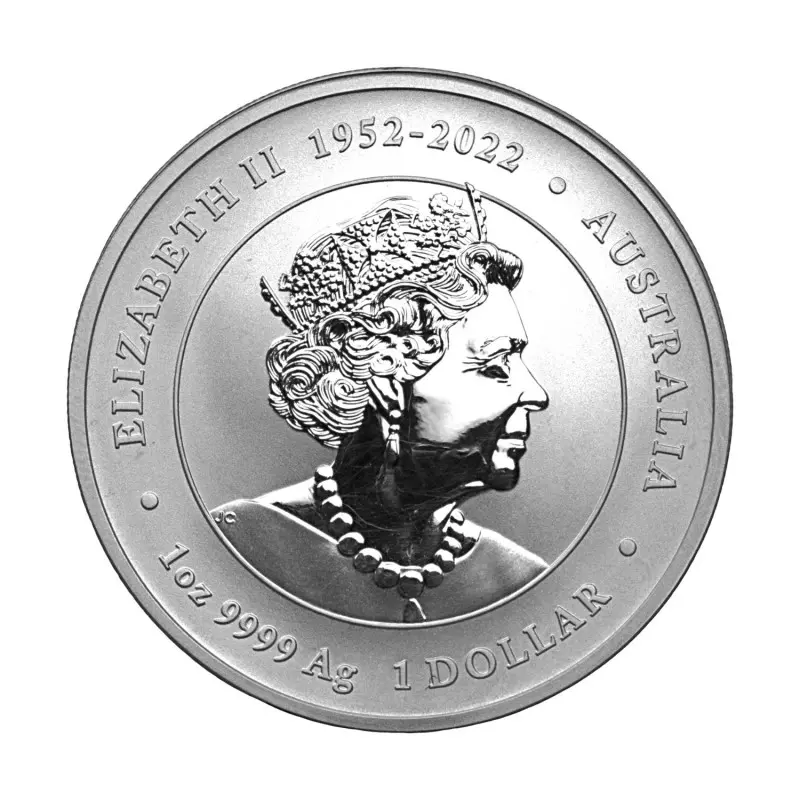
The obverse of the Lunar III 2024 Dragon coin features the late portrait of Queen Elizabeth II, designed by Jody Clark. This portrait includes the dates of her reign, ‘1952-2022’, and the inscription ‘ELIZABETH II AUSTRALIA’, along with the coin's face value in Australian dollars (AUD).
Reverse
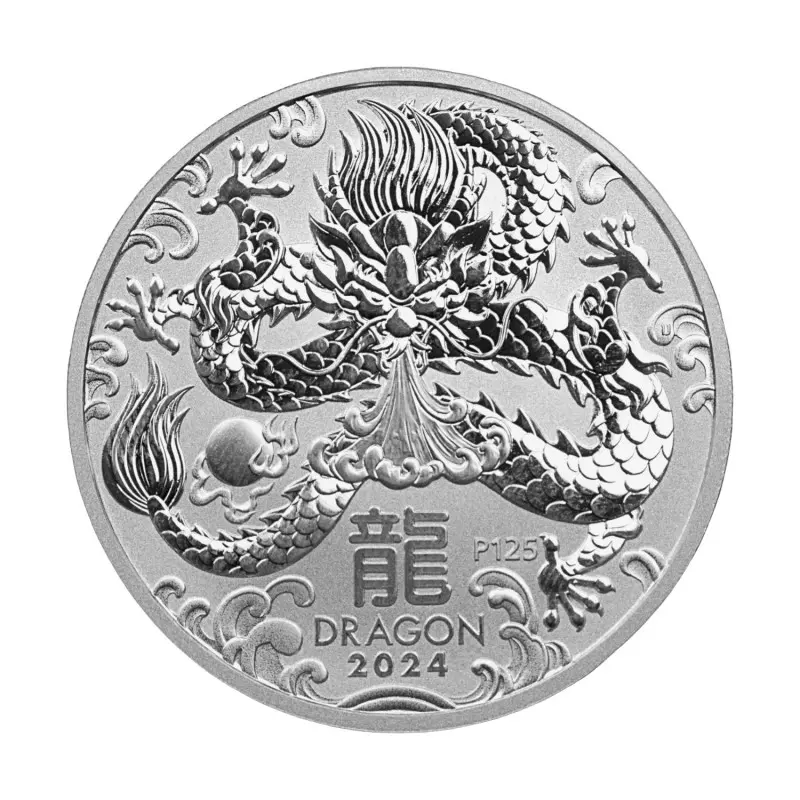
The reverse of the coin features an artistically designed Chinese dragon. The design also includes the Chinese character for ‘dragon’, the inscription ‘DRAGON 2024’ and a special ‘P125’ mint mark celebrating the Perth Mint's 125th anniversary. Additional security features include a micro-engraved mark visible under a magnifying glass, confirming the coin's authenticity.
Testing the coin
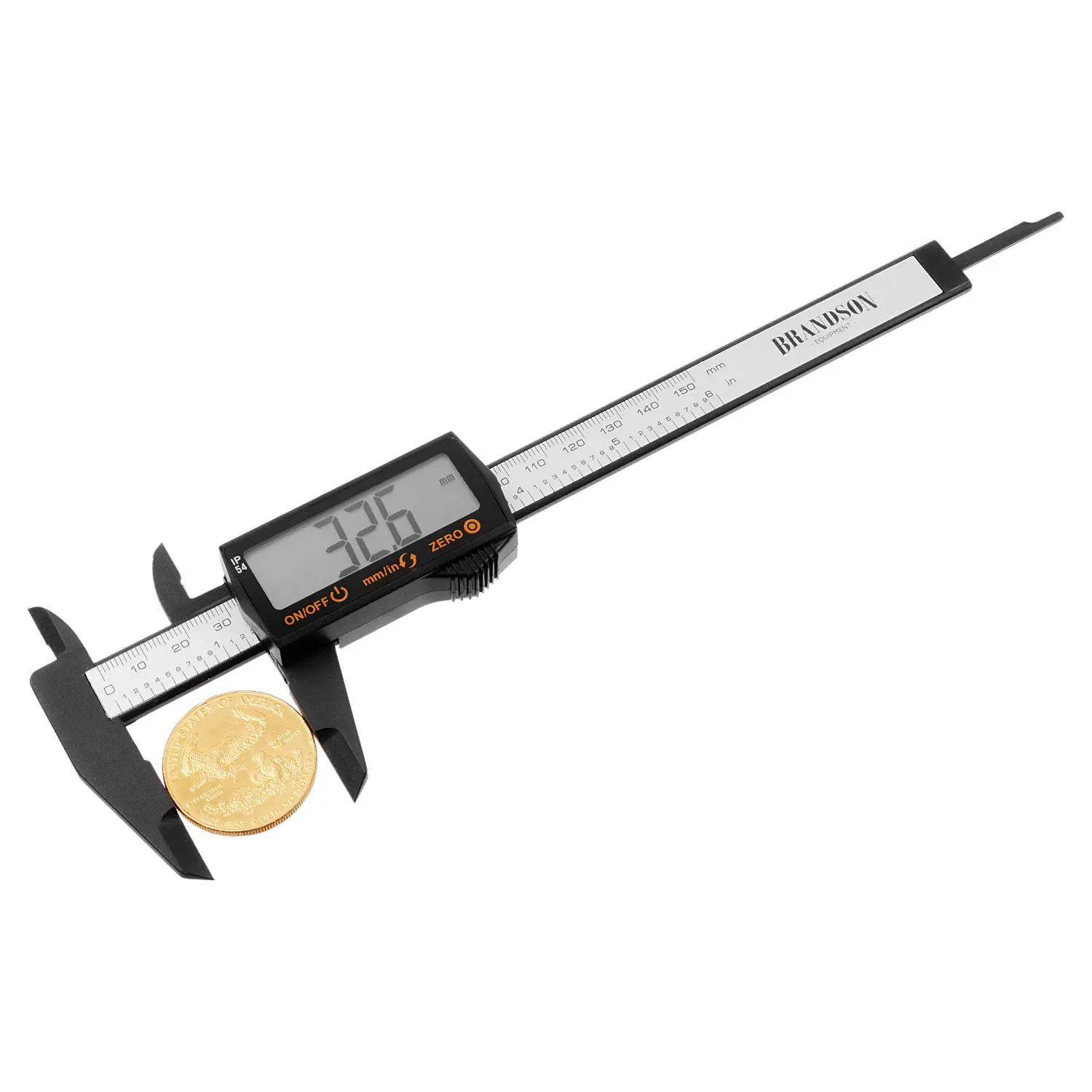
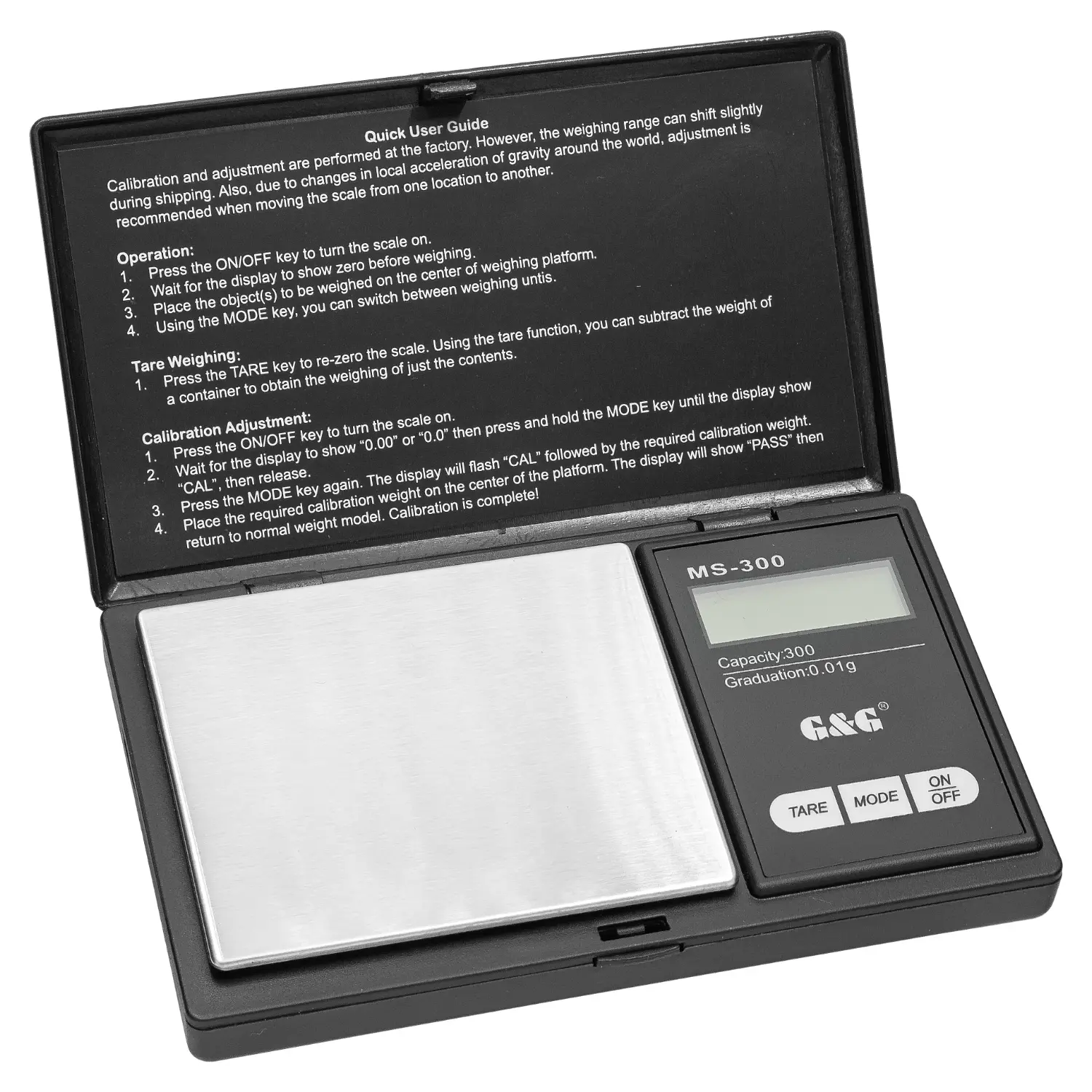
In this example, the coin is tested based on four characteristics: its diameter, thickness, weight and electrical conductivity. These four measurements together provide a comprehensive assessment of the coin. Watch the video! (YouTube)
Dimensions & weight measurements
The coin weighs one troy ounce, which corresponds to 31.103 g. In addition, it should have a diameter of 40.6 mm and a maximum thickness of 3.5 mm. These values are measured in the video using a precision balance and a digital caliper, whereby we measure a thickness of 2.85 mm. On the internet, you can find thickness specifications ranging from 3.21 mm (ESG Scheideanstalt) to 3.5 mm (Perth Mint). This example clearly shows that the dimensions of a coin do not always correspond exactly to the target value. These values are used to determine the approximate density.
Alternative method for determining density
As an alternative to these measurements, another method can be used to determine the exact density, namely density determination according to Archimedes' principle. This is very easy to implement with the DensityScreenScale. For pure silver (999.9/1000), a density of 10.49 g/cm³ is expected. However, since the density of silver can be easily imitated using molybdenum and lead-tin alloys, it is also worth measuring the electrical conductivity of the coin. Conductivity measurement >The 1oz Lunar III Dragon silver coin is made of the purest silver (999.9/1000). The GoldScreenSensor is particularly well suited for accurately measuring the conductivity of this coin, as it enables precise analysis. The electrical conductivity of pure silver (999.9) is approximately 62.0 MS/m. In summary, it can be said that the authenticity of the coin was confirmed by combining its dimensions, weight and electrical conductivity.
Used products
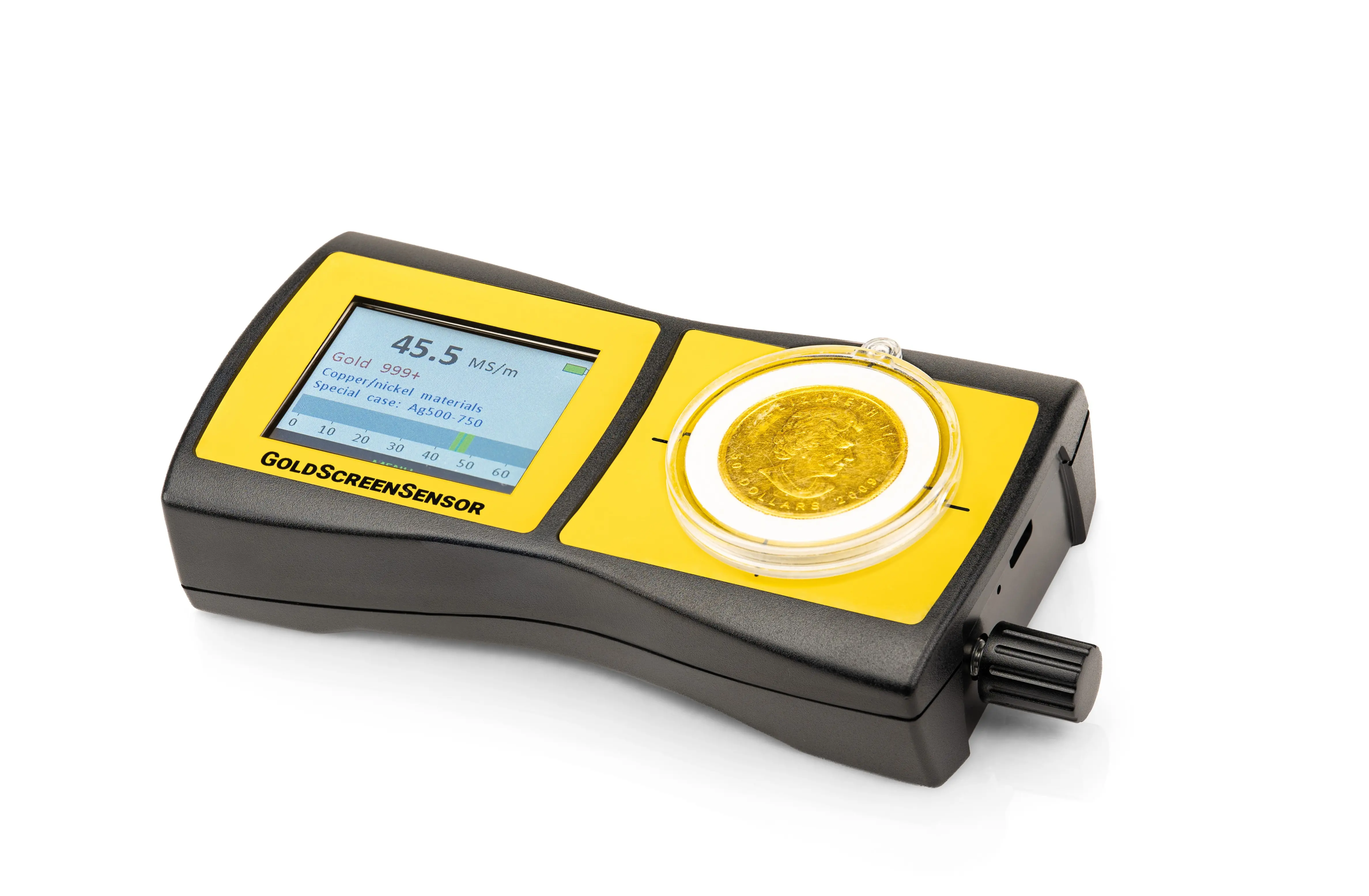
Precious metal testing device for verifying the authenticity of coins and ingots