Images - Various precious metal counterfeits
This picture gallery contains a collection of various counterfeit coins and bars. In many cases, the objects had to be destroyed in order to visually expose the attempted fraud.
With our products, you wouldn't even have had to take them out of the packaging.

Melting down a fake silver panda coin
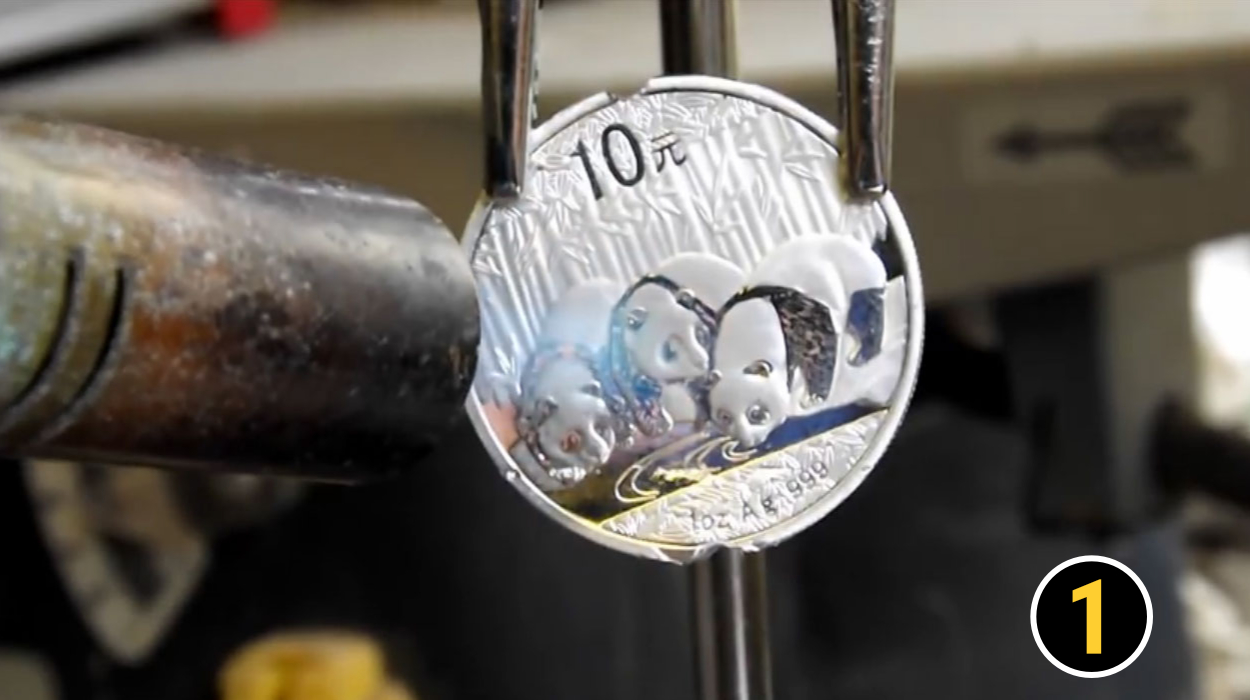
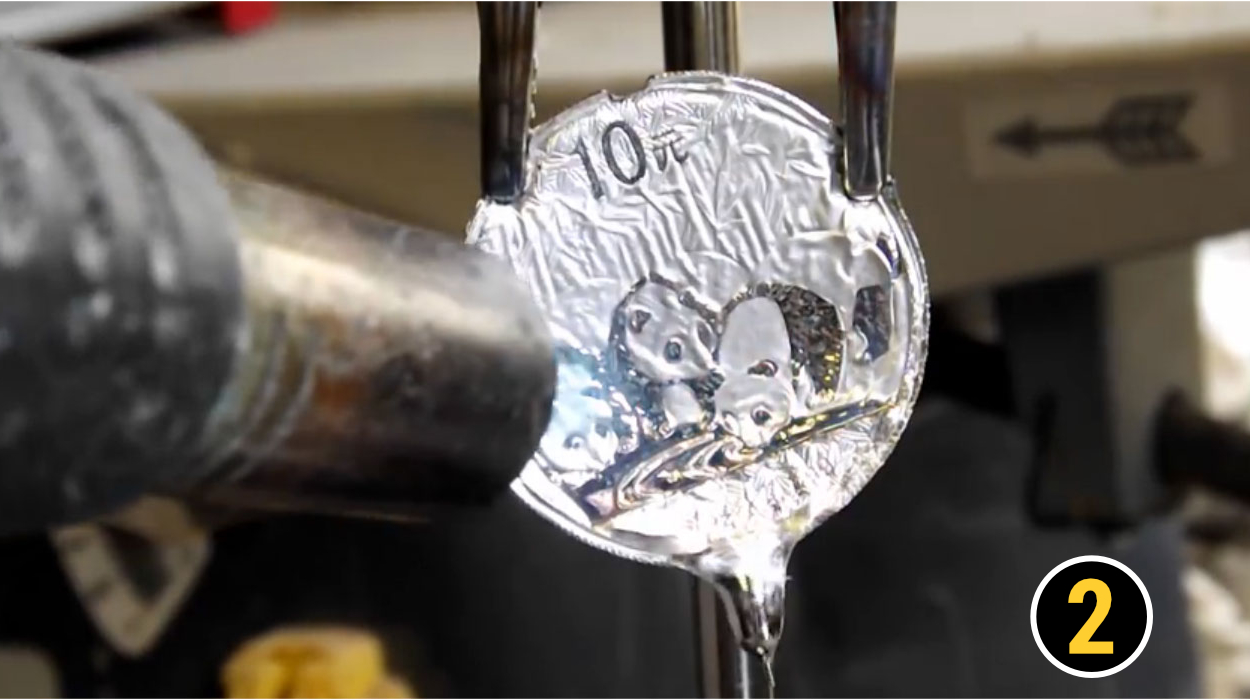
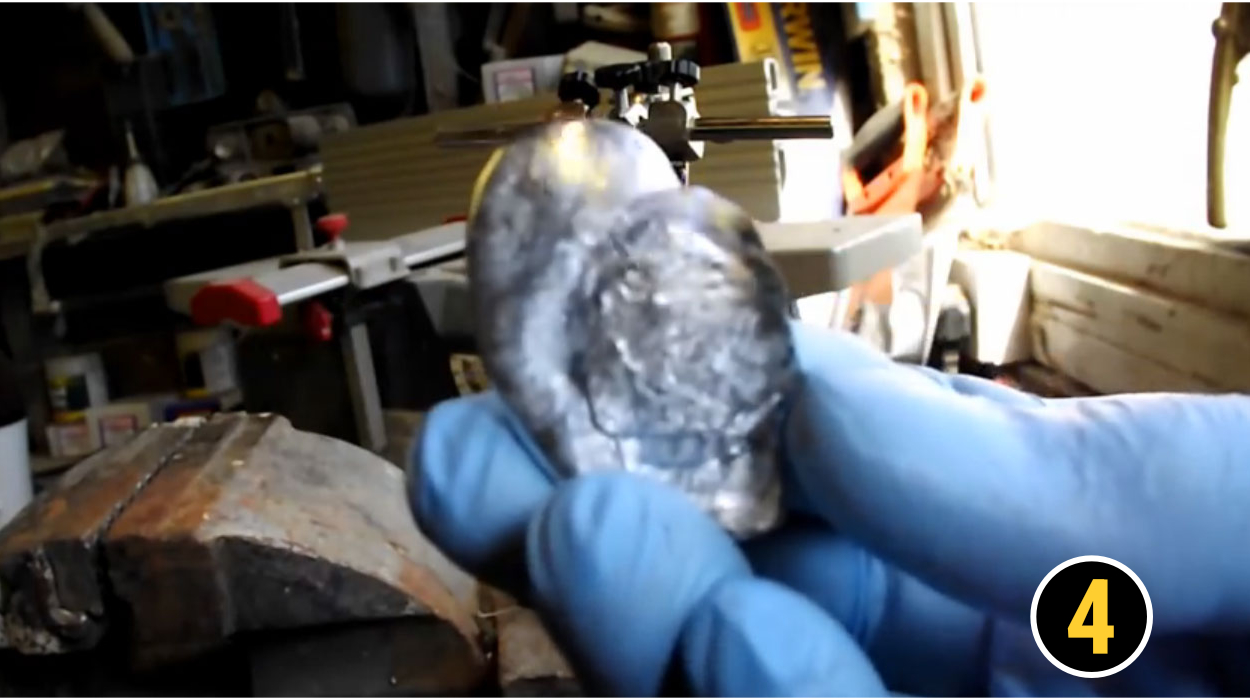
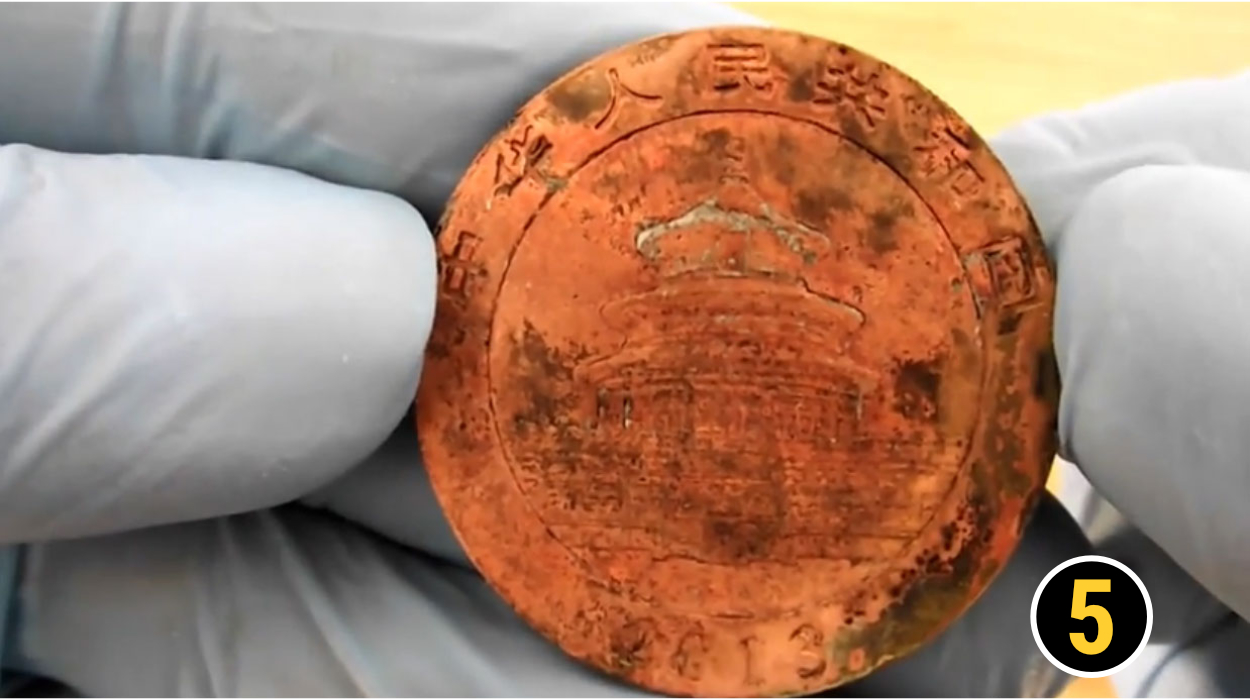
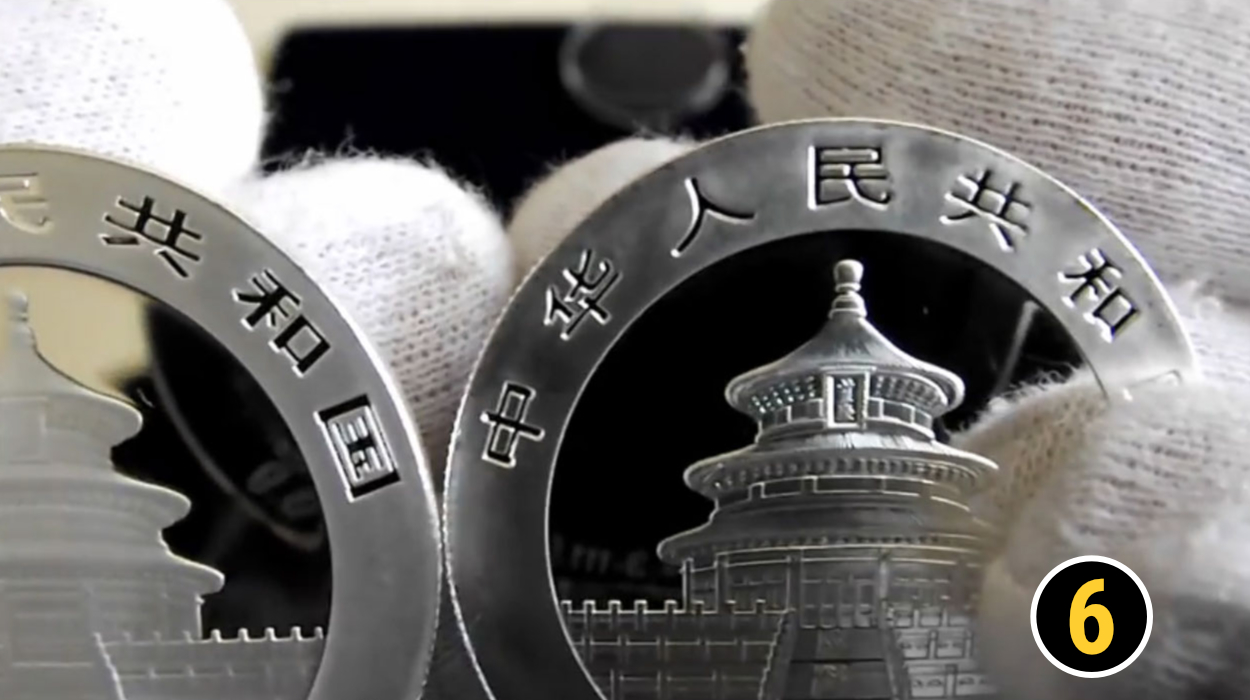
The following images illustrate how deceptively realistic counterfeits can appear. Hidden beneath a thin silver coating is a lead-tin core, which has even been additionally copper-plated to improve the silver plating. However, when melted, the true composition becomes apparent – a clear difference compared to the genuine silver panda coin.
Picture 1: Melting of the lead-tin alloy at approx. 300-400 °C.
Picture 2: The lead-tin core melts and the silver coating remains intact.
Picture 3: Leftover silver shell.
Picture 4: Lumps of the lead-tin core.
Picture 5: The lead-tin panda was additionally copper-plated to make it easier to silver-plate.
Picture 6: Comparison of the counterfeit coin (right) with a genuine silver panda coin (left).
Precious metal counterfeits from practical cases
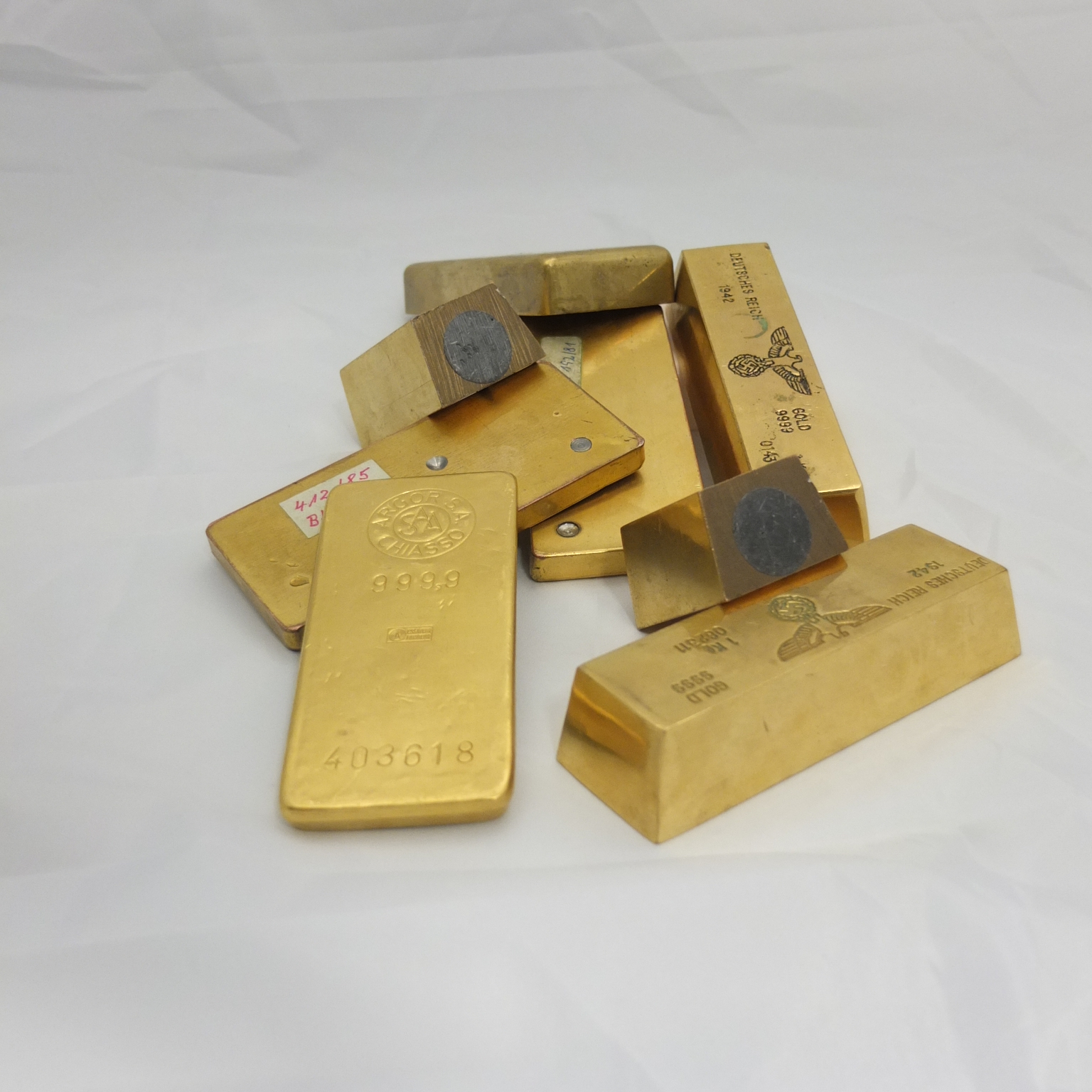
Counterfeit gold bars at the Bundesbank's counterfeit money office in Mainz.

Selection of counterfeit coins in the inventory of the Bundesbank Mainz.
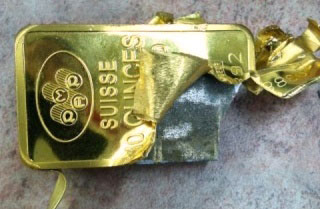
Counterfeit gold bar at a renowned dealer in NYC.
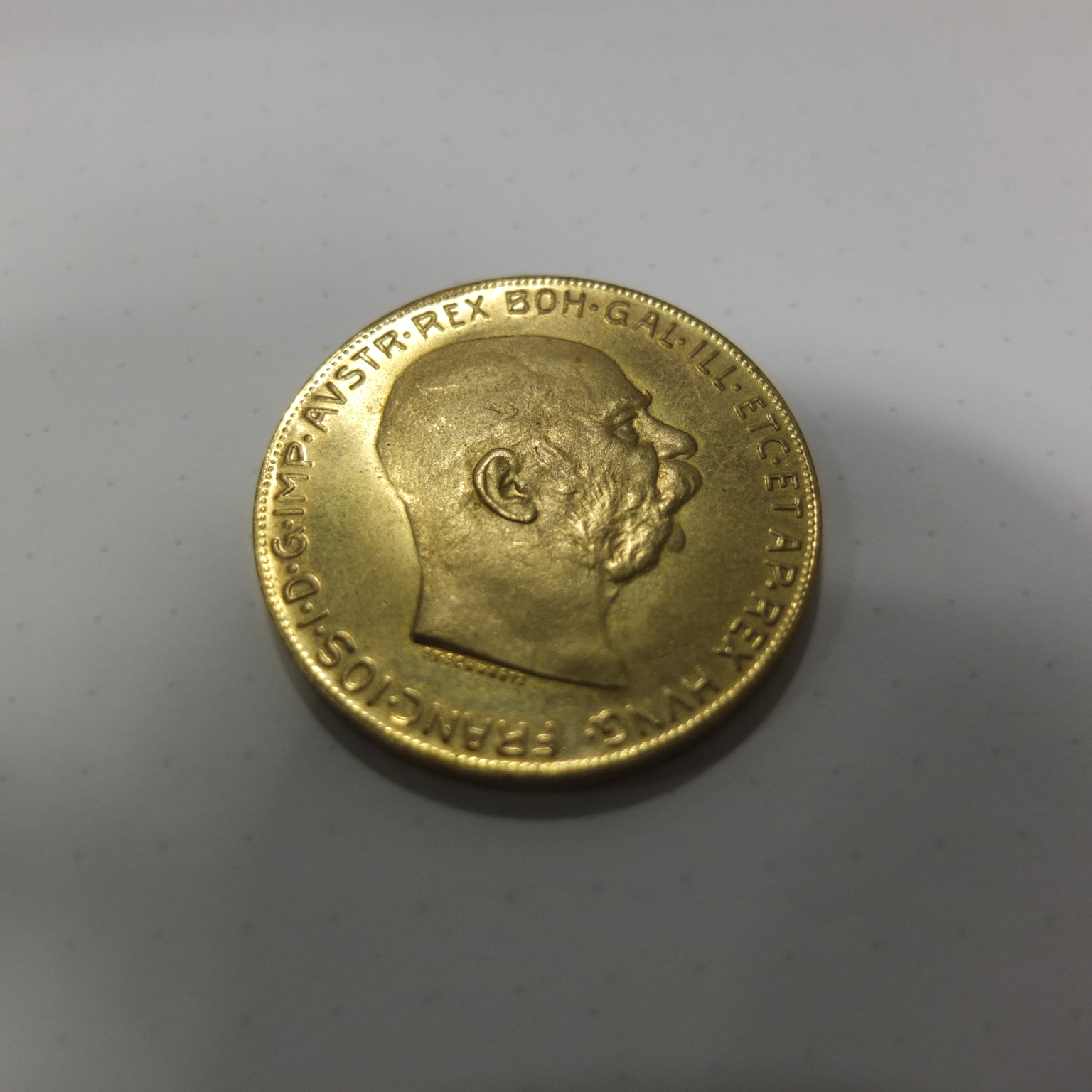
Counterfeit gold coin of Emperor Franz Joseph I. of Austria
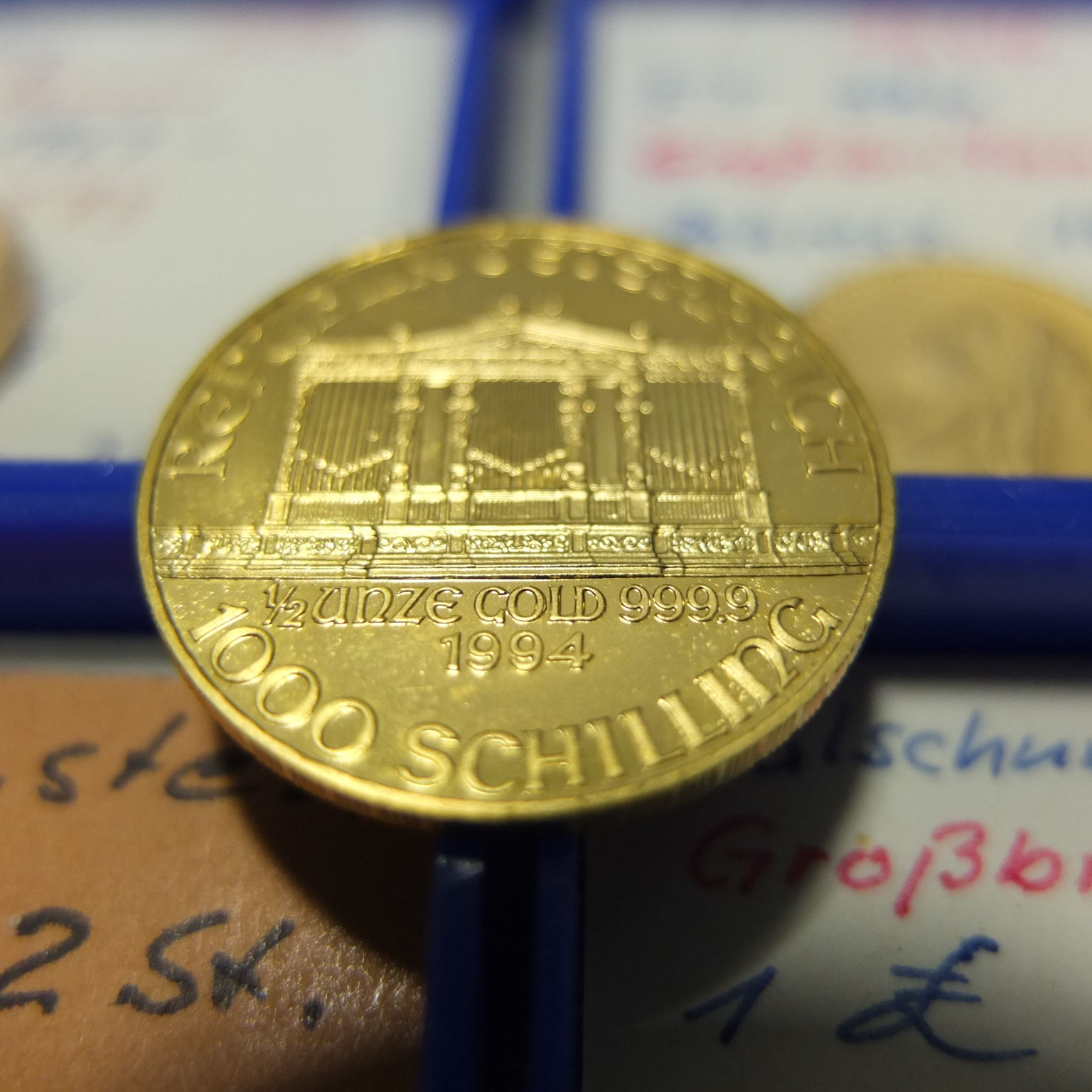
Counterfeit gold coin Austria 1000 Schilling (½ ounce fine gold 999.9)
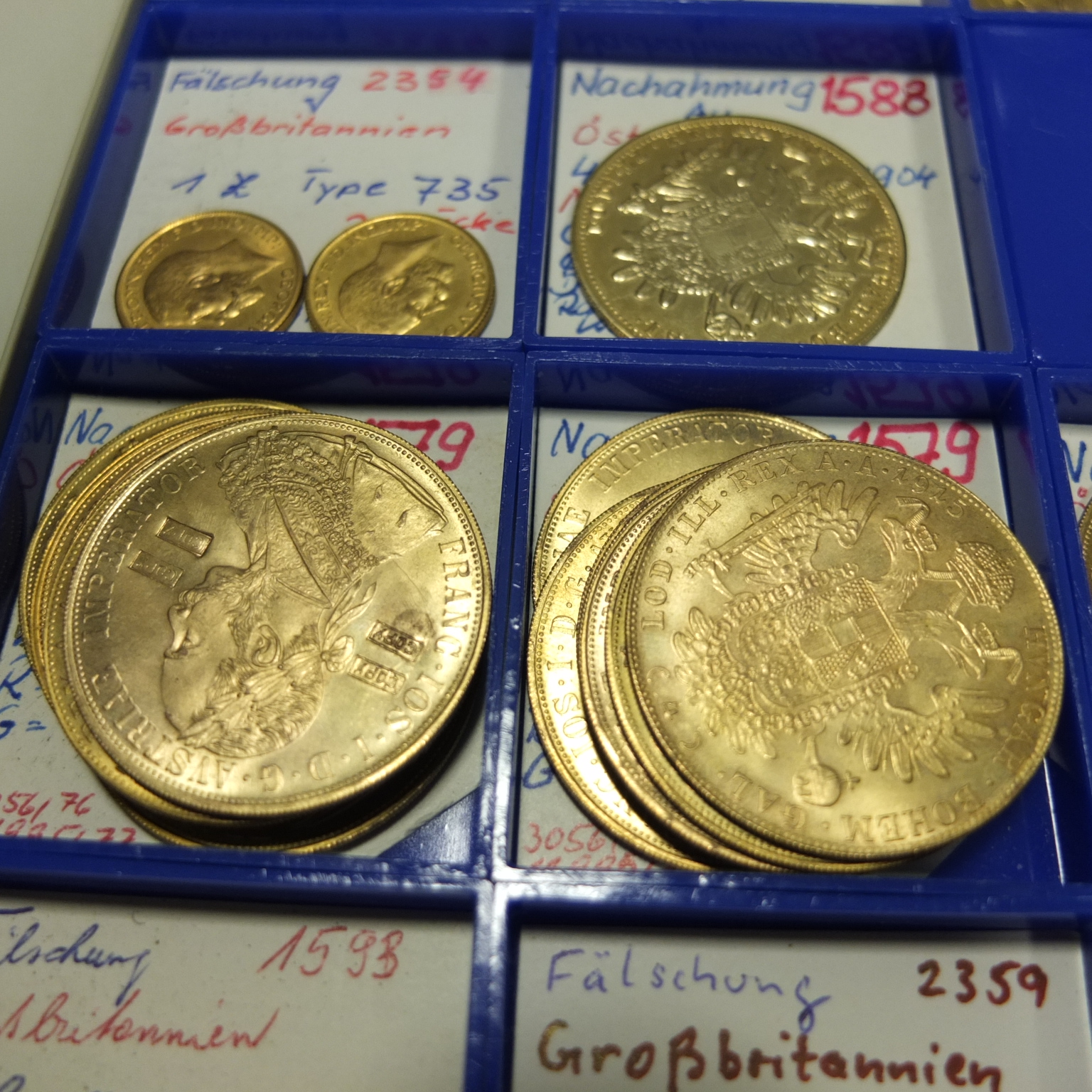
Many counterfeits are almost impossible to distinguish from genuine coins with the naked eye.
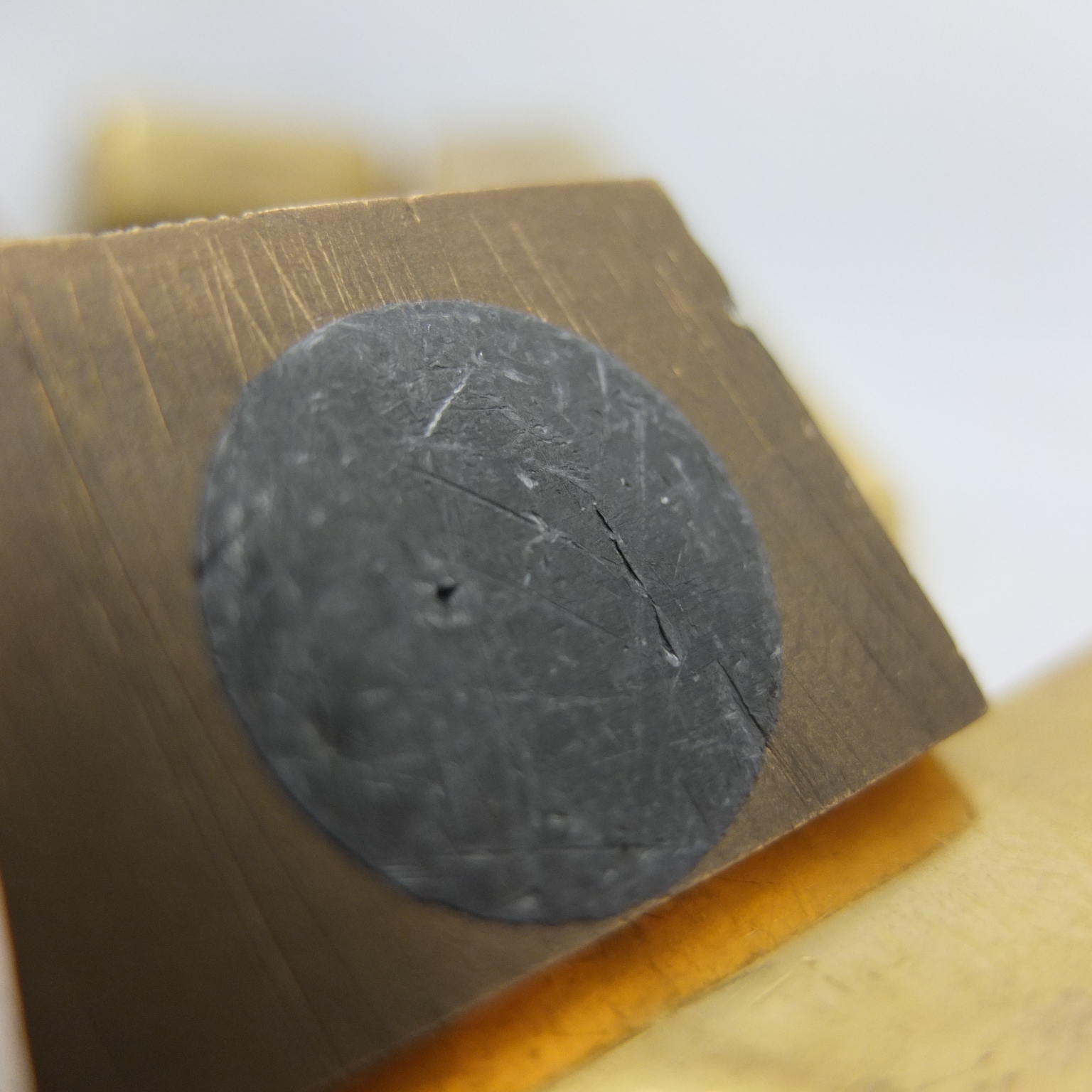
Cut-open counterfeit gold bar with tungsten core.
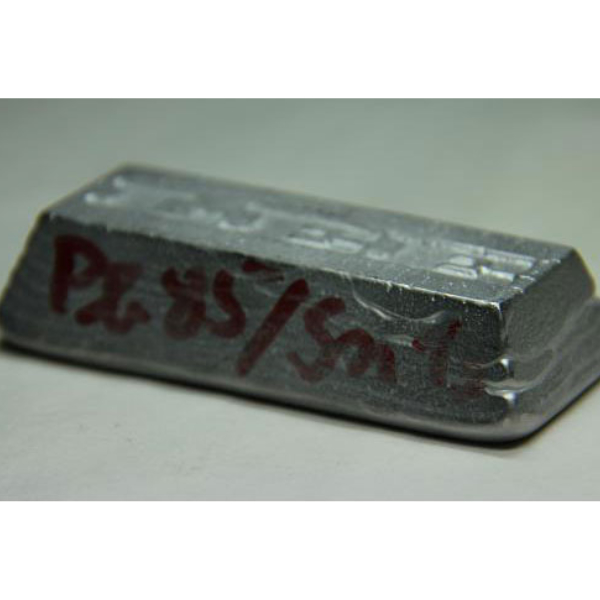
A lead-tin ingot: the ‘perfect’ raw material for counterfeiting silver.
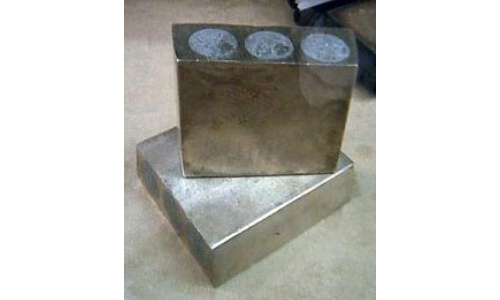
Cut-open counterfeit silver bar with lead-tin core.
Example of counterfeit gold made from tungsten carbide
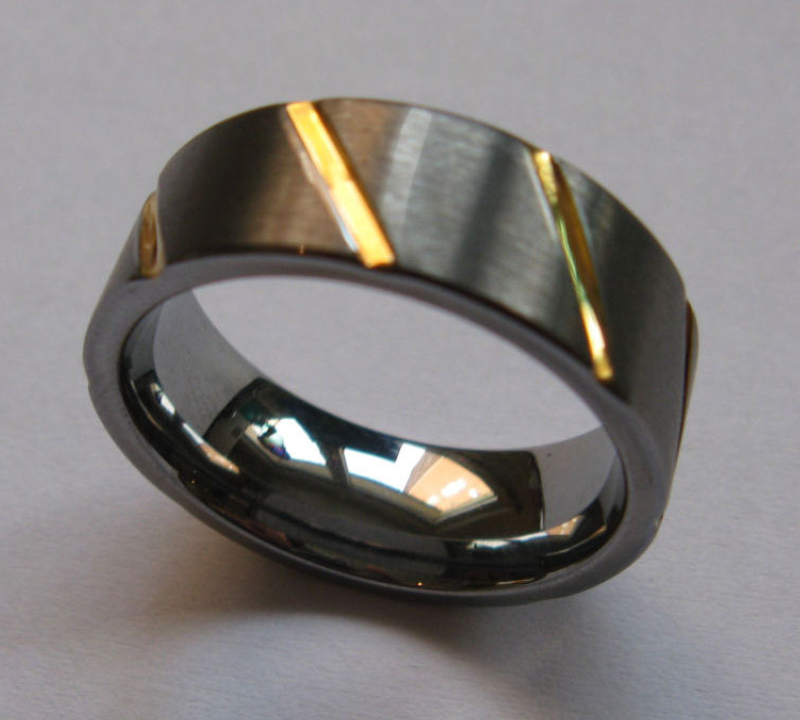
Left: Tungsten carbide ring
The original ring is made of robust tungsten carbide. This material is characterised by its high hardness and resistance and has a typical metallic grey surface.
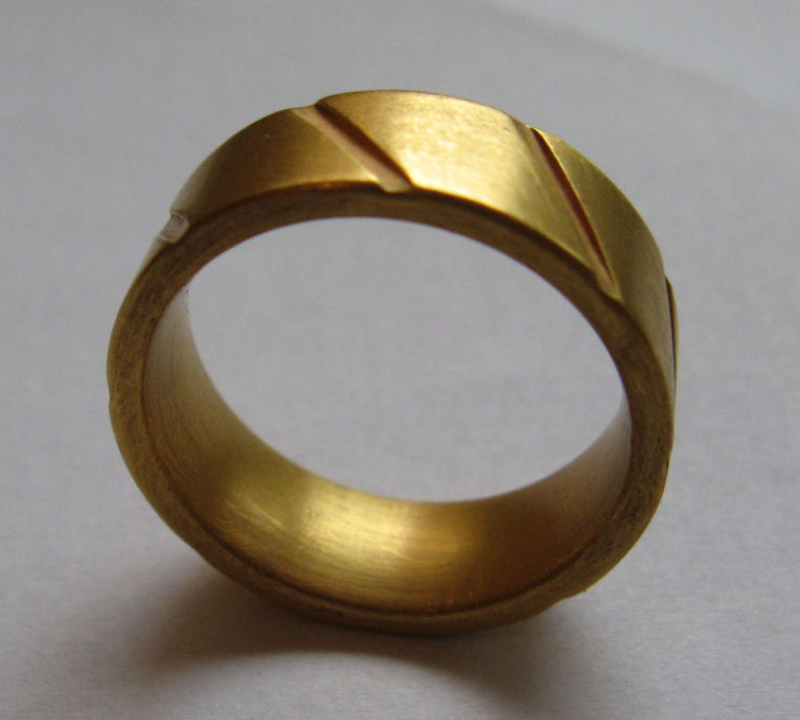
Right: the same ring, gold-plated
Here, the same ring has been coated with a 20 µm thick layer of gold. The gold plating gives it a completely different appearance – elegant and refined, while maintaining the stability of the tungsten carbide core.