Types of counterfeits
Due to the high value increase of gold at the international commodity market, the number of falsifications doesn’t stop growing. However, the forging of precious metal is not at all a recent problem – already in antiquity, they added cheaper foreign metal to crowns, sceptres and coins. You can find an overview of frequent forgery types on this page.
Cores made of foreign metal
The creation of ingots or jewellery made of a base metal and the following plating with the precious metal in question is the most common case of precious metal forgery. The range of these falsifications goes from “primitive” fakes that only consist of an iron-, brass- or lead core (see “Gold Fakes”) to highly professional fakes made of tungsten / tungsten alloys (for gold and 22 carat gold, like e.g. those found in Cologne in 2022) or lead and tin alloys (for silver, see “Silver Fakes”). The latter material successfully imitates the weight and right measurements of the wanted pieces. In order to achieve that, they use one of these metals as a core and then plate it with the corresponding precious metal layer. This is why surface test methods like X-ray fluorescence or testing acids fail on these gold- or silver falsifications.
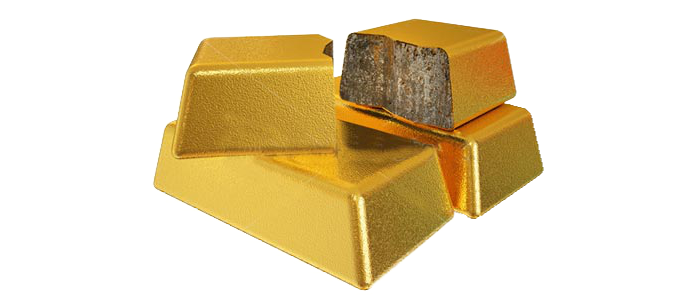
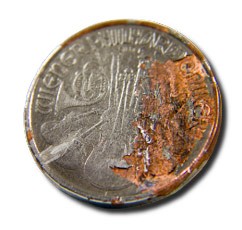
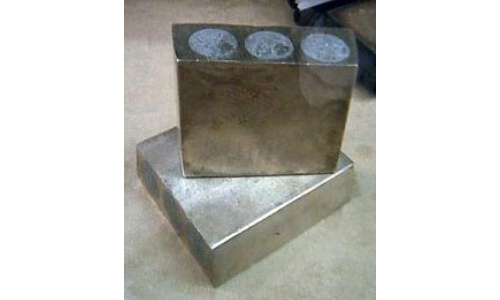
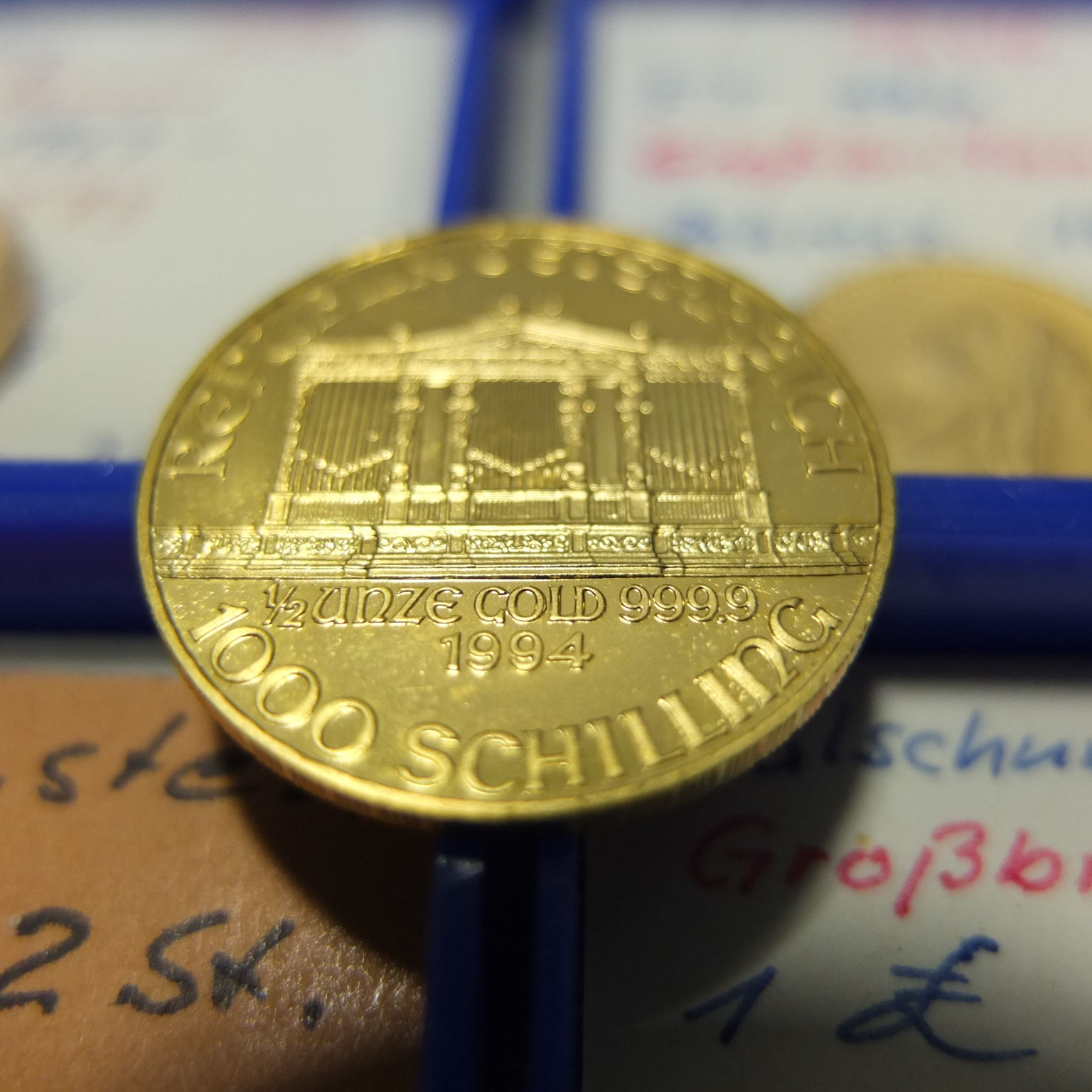
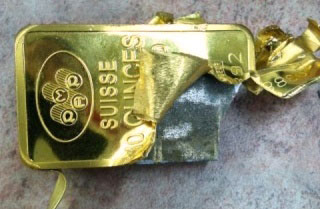
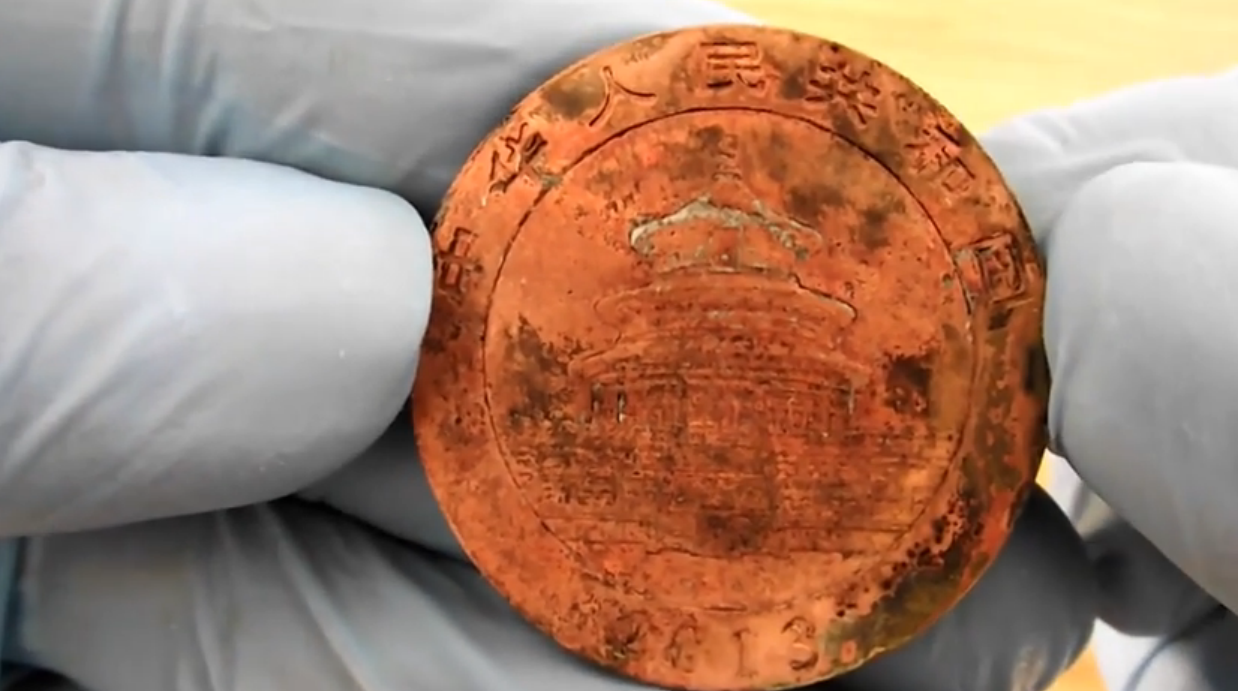
These kinds of almost perfect falsifications can be seen first-hand at the Deutsche Bundesbank’s Counterfeit Unit. The weight and measurements or density of forged 1kg gold ingots were inside the common tolerance limits. Even more perfidious is the forging trick used for smaller gold ingots (under 50g): these ingots are usually traded in original blisters and it’s unimaginable to take them out of this packaging. This means that the ingots aren’t accessible for testing methods – one method does work, though: the Goldanalytix magnetic scales. It allows measuring despite the blisters or plastic capsules. Watch the little slide show on the right to see some of these falsifications.
Sham jewellery
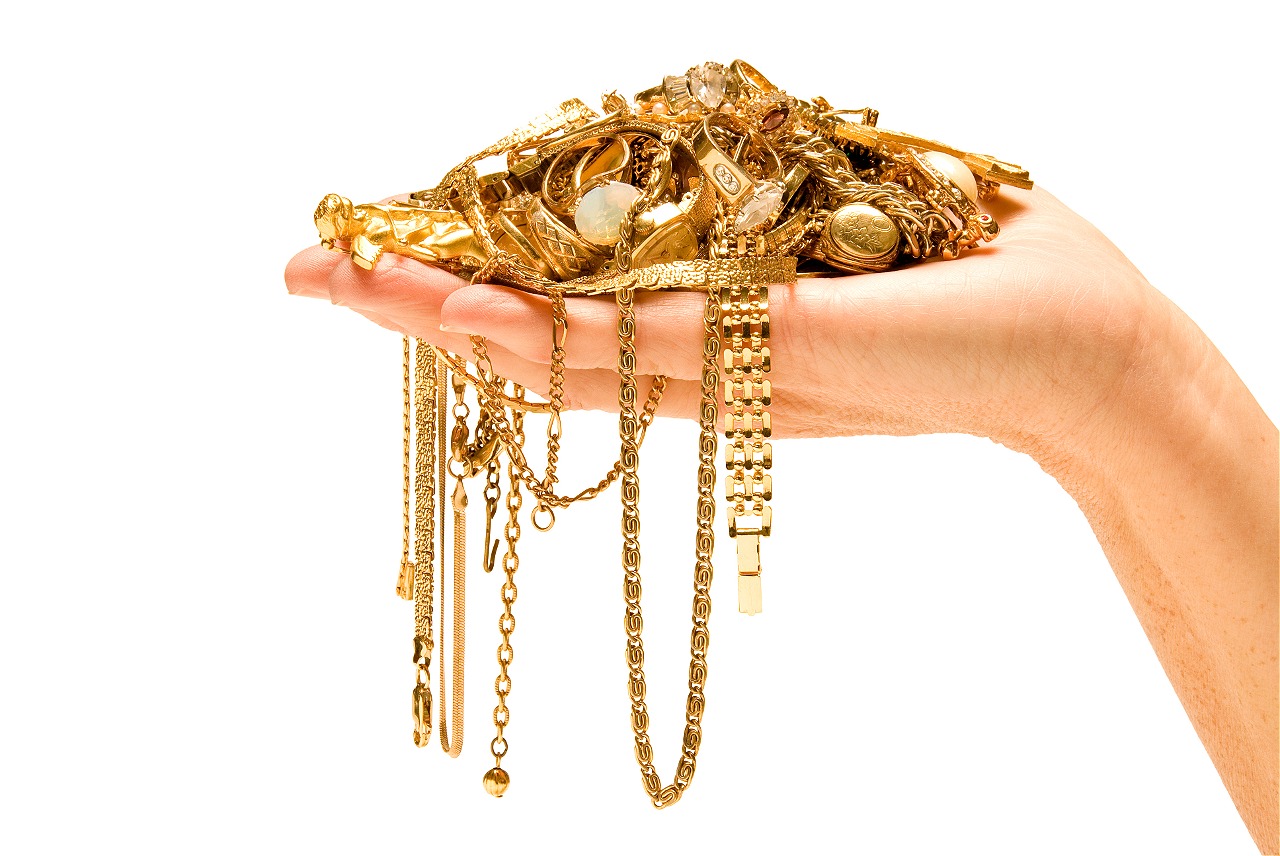
Sham jewellery means the visually often well done jewellery made of brass / pinchbeck / bronze that has been gilded afterwards and punched illegally with 750– 18K.
It is often traded by fraudsters to unsuspecting travellers on motorway service areas (hence the German name “Autobahngold”, lit.: highway gold), telling them they had lost their wallet or that the latter has been robbed. Then they beg them to give them money for filling their car up with petrol (mostly 20 to 100 €) out of compassion and offer their “saviour” presumably precious rings, necklaces or bracelets made of gold. The falsified hallmark on the gilded brass ring is said to be proof for the authenticity of the supposed gold ring.
Even more dangerous are the recently emerging gilded tungsten carbide (WC) rings. They are visually even more convincing and “feel” more like gold, as they get very close to the weight of e.g. 750 gold and are much heavier than gilded brass or bronze while maintaining the same size.
Under alloying
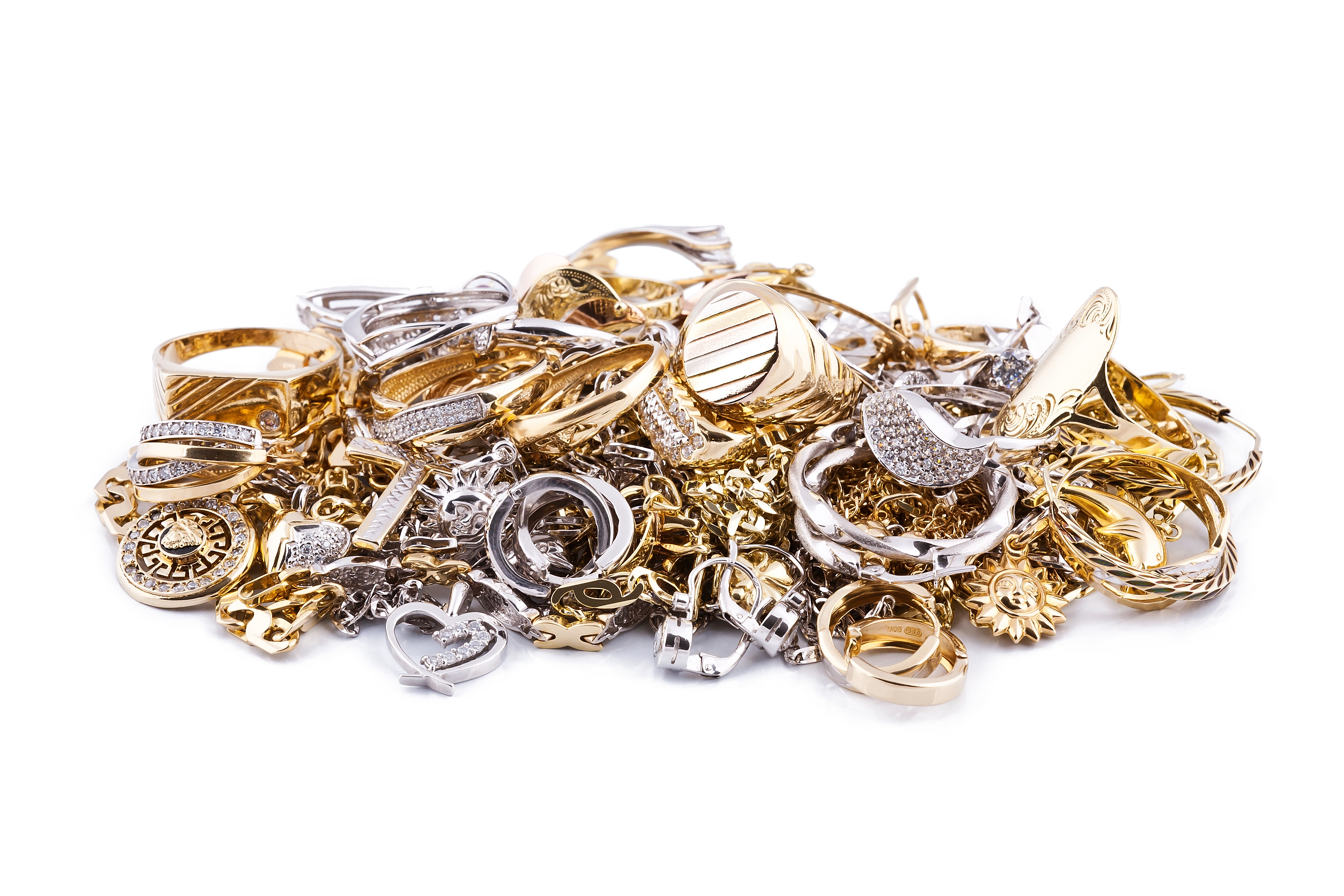
This means the attempt to give an inferior gold content to the object than the hallmark indicates. With sometimes marginal differences in gold content (e.g. only 700 instead of 750 gold), which are therefore difficult to detect, they try to rake in the value of the reduced gold content when doing mass production.
Over alloying
A case of counterfeiting that seems paradoxical at first glance is the so-called over alloying of jewellery or coins with gold or silver. This involves deliberately using more precious metal than the fineness mark actually specifies. A ring stamped with 333, for example, may actually contain as much gold as a 750 ring. At first glance, this seems contradictory: why would a counterfeiter use more precious metal than is required?
The answer is as simple as it is criminal. Counterfeiters use this method to smuggle larger amounts across borders or launder money by concealing the actual precious metal content.
This is problematic for potential buyers for two reasons, even though the items contain more gold or silver than expected. Anyone who notices this trick is obliged to report it. In addition, over-alloyed items can cause confusion during precious metal testing, as the hallmark and the actual composition do not match.
Imprint - and stamp falsification
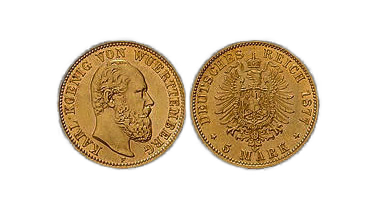
In the numismatic domain, there are numerous coins that have caught the attention of forgers because of their value to collectors. They try to imitate the coins by imprinting them on their original material. This is no case of material forging, but the fraud is the imitation of the imprint and the attempt to sell these normally rare coins to collectors. Besides, restriking former circulation coins falls within this category. Especially the so-called “Hausmann forgings” (named after one of the forgers) of the 5 Mark Reichsgold coins circulate in enormous numbers (it is estimated that 95% of all of the 5 Mark Reichsgold coins are false). This kind of coin forging is often only detected by thorough examination and eventually by chemical analysis.